Pedodontics (Pediatric Dentistry)
Pediatric dentistry protects children's oral health through preventive care, early diagnosis and age-appropriate dental treatments at Neovadent Dental Clinic.
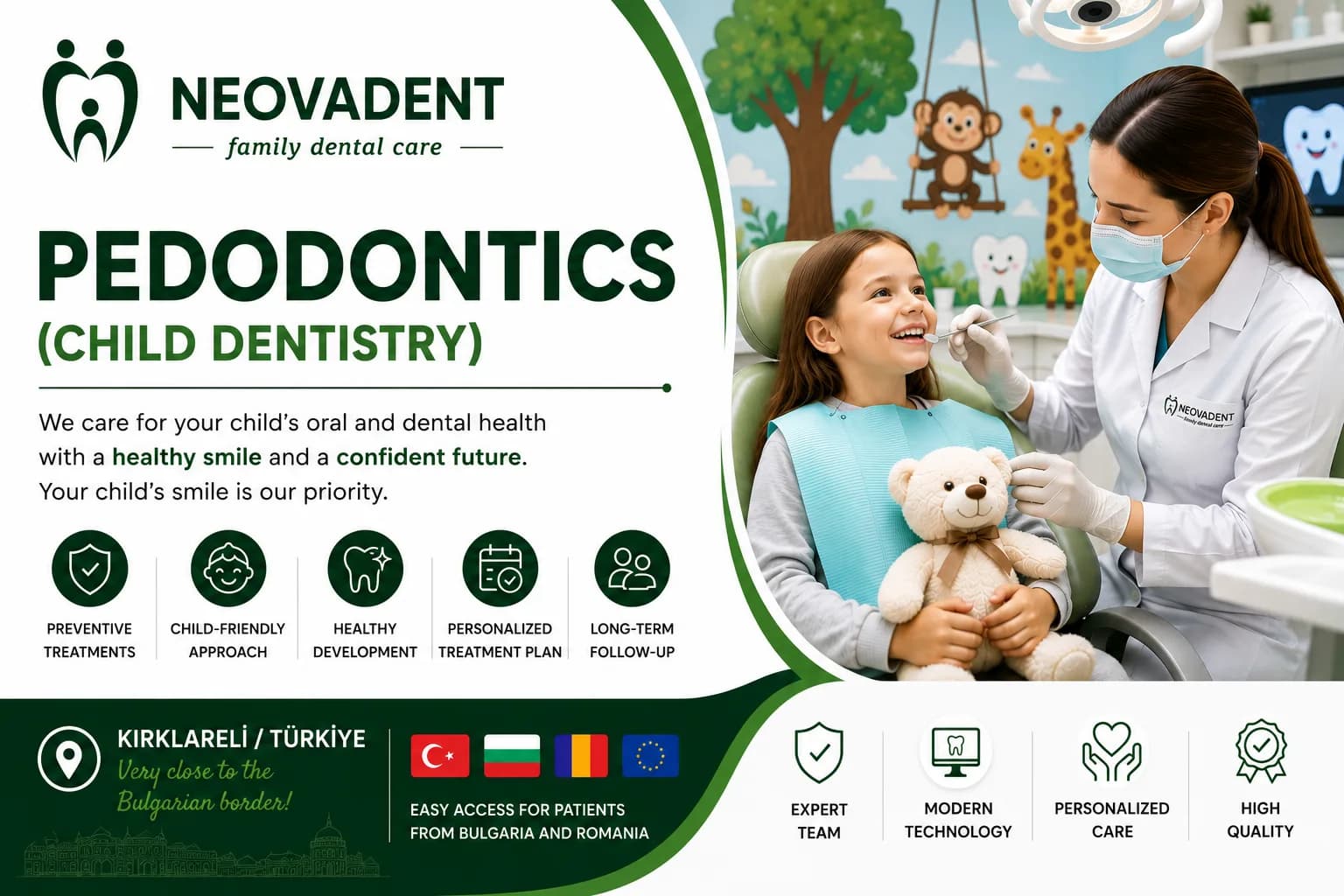
Pedodontics (Pediatric Dentistry)
Healthy oral care habits developed during childhood provide the foundation for a healthy smile throughout life. Healthy primary teeth are important for proper nutrition, speech development and the correct eruption and positioning of permanent teeth. For this reason, dental visits should not begin only when pain or a dental problem occurs. Regular dental care from an early age helps protect children's oral health and allows potential problems to be identified before they become more complex.
Pedodontics, also known as pediatric dentistry, is the branch of dentistry dedicated to the prevention, diagnosis and treatment of oral and dental problems in children from infancy through adolescence. For young patients, the way they experience their first dental visits can be just as important as the treatment itself.
At Neovadent Dental Clinic, we approach every child with patience, care and communication appropriate to their age and individual needs. Our goal is not only to treat existing dental problems, but also to support long-term oral health through preventive treatments, regular check-ups and healthy oral hygiene habits.
⭐ Highlights
📍 Location: Neovadent Dental Clinic – Kirklareli / Türkiye
👶 Specialty: Pedodontics (Pediatric Dentistry)
🦷 Age Group: From early childhood through adolescence
🛡️ Approach: Preventive and protective dental care
😊 Our Priority: Making the child's dental experience as comfortable and positive as possible
🌍 International Patients: Convenient access for families travelling from Bulgaria and Romania
📋 What Is Pedodontics?
Pedodontics is the dental specialty focused on protecting and treating the oral health of infants, children and adolescents. Pediatric dentistry involves much more than treating cavities. It also includes preventing dental disease, monitoring tooth development and helping children establish healthy oral hygiene habits from an early age.
Primary teeth should not be neglected simply because they will eventually be replaced by permanent teeth. In addition to helping children chew properly and develop speech, primary teeth act as natural space maintainers for the permanent teeth developing underneath them.
Premature loss of a primary tooth due to decay, infection or trauma may allow neighbouring teeth to move into the empty space. This can reduce the amount of room available for the permanent tooth and may contribute to future alignment problems.
Dental cavities can progress relatively quickly during childhood. Regular dental examinations make it possible to identify early signs of decay and intervene before more extensive treatment becomes necessary.
Preventive procedures such as professional fluoride applications, fissure sealants and oral hygiene education also play an important role in reducing the risk of tooth decay.
Another important goal of pediatric dentistry is helping children develop a positive relationship with dental care. Calm and reassuring early experiences can help reduce dental anxiety and make future visits more comfortable.
At Neovadent Dental Clinic, every child is evaluated individually according to their age, stage of development and oral health needs. Dental development is monitored regularly so that preventive or therapeutic procedures can be planned at the appropriate time.
👨⚕️ When Is a Pediatric Dental Examination Recommended?
Children do not need to experience pain or visible tooth decay before visiting a dentist. Regular examinations allow potential problems to be identified early and preventive measures to be introduced at the appropriate time.
A pediatric dental examination is particularly recommended in the following situations:
• When the first primary teeth begin to erupt
• Cavities in primary or permanent teeth
• Toothache or dental sensitivity
• Changes in tooth colour
• Swollen or bleeding gums
• Premature loss of a primary tooth
• Delayed or irregular tooth eruption
• Dental trauma following a fall or impact
• Habits such as thumb sucking or prolonged pacifier use
• When permanent teeth begin to erupt
• When preventive care is desired before cavities develop
Regular pediatric dental examinations allow the child's dental development to be monitored over time. Parents can also receive individualized guidance on tooth brushing, dietary habits and daily oral care at home.
🦷 Treatments and Preventive Care
The primary aim of pediatric dentistry is not only to treat existing dental problems but also to prevent them whenever possible. The child's age, dental development, individual cavity risk and oral hygiene are evaluated before a personalized preventive and treatment plan is prepared.
Professional Fluoride Applications
Fluoride helps strengthen tooth enamel and increase its resistance to tooth decay. For children with a higher risk of cavities, professional fluoride applications may be recommended at specific intervals following a dental assessment.
When combined with regular brushing, healthy dietary habits and routine dental examinations, fluoride treatment can be an important part of protecting children's teeth.
Fissure Sealants
The chewing surfaces of back teeth naturally contain grooves and pits where food particles and bacteria can accumulate. Fissure sealants involve covering these areas with a thin protective material.
Sealants are particularly useful for newly erupted permanent molars. They make the chewing surfaces easier to clean and can help reduce the risk of cavities developing in these vulnerable areas.
Fillings for Primary Teeth
When decay in a primary tooth is identified at an appropriate stage, the affected tissue can be removed and the tooth restored with a suitable filling material. The aim is to preserve the primary tooth in a healthy and functional condition until it is naturally replaced.
Maintaining primary teeth is important both for chewing function and for preserving the space required for permanent teeth.
Pulp Treatments for Children
If decay reaches the inner tissues of a tooth, pulp treatment may be necessary in certain primary or young permanent teeth. The appropriate treatment is determined according to the condition of the tooth, the child's age and the stage of dental development.
When clinically appropriate, the aim is to control infection and preserve the function of the tooth for as long as necessary.
Space Maintainers
When a primary tooth is lost earlier than expected because of decay, infection or trauma, neighbouring teeth may gradually move into the empty space. This can reduce the space available for the permanent tooth that will eventually erupt.
When indicated, a space maintainer can help preserve this area until the permanent tooth erupts. The need for a space maintainer is determined individually after examination.
Treatment of Dental Trauma
Falls, impacts and sports-related accidents can cause injuries to primary or permanent teeth during childhood. Dental trauma may involve a fractured tooth, displacement or, in some cases, complete loss of the tooth from its socket.
Following dental trauma, it is important for the child to be evaluated by a dentist as soon as possible. Treatment and follow-up are planned according to the type of injury and the tooth involved.
Oral Hygiene Education and Preventive Follow-Up
Developing correct tooth-brushing habits from an early age is an essential part of pediatric dentistry. Brushing techniques can be adapted to the child's age, while parents are given guidance on how to support effective daily oral care at home.
Regular examinations allow dental development, oral hygiene and individual cavity risk to be monitored. Preventive treatments can then be planned at the appropriate time when necessary.
📅 Treatment Process
Pediatric dental care begins with a detailed evaluation of the child's oral health and dental development. During the first examination, we assess not only existing dental problems but also the condition of the primary and permanent teeth, oral hygiene, cavity risk, tooth eruption and jaw development.
For children visiting a dentist for the first time, calm and age-appropriate communication is particularly important. Allowing the child to become familiar with the dental environment and explaining procedures in simple, reassuring language can help make the experience more comfortable and contribute to a positive relationship with dental care.
If treatment is required following the examination, procedures are prioritized and an individualized treatment plan is prepared. Depending on the child's needs, the plan may include preventive treatments, fillings, pulp therapy, space maintainers or other necessary dental procedures.
After treatment is completed, regular follow-up appointments are recommended. During these visits, the development and eruption of the teeth, oral hygiene and the possible formation of new cavities are monitored. This approach allows potential problems to be identified and managed at an early stage whenever possible.
⭐ Why Neovadent?
Dental care for children requires a different approach from adult dentistry. Patience, age-appropriate communication and building trust are important parts of creating a comfortable dental experience for young patients.
At Neovadent Dental Clinic, we pay particular attention to how children experience their dental visits. We aim to create a calm and welcoming environment where children can gradually become familiar with the clinic and develop a positive relationship with dental care.
Preventive dentistry is an important part of our approach. In addition to treating existing problems, we aim to reduce the risk of future dental disease through regular examinations, professional fluoride applications, fissure sealants and oral hygiene education.
Our clinic is located in Kirklareli, Türkiye, with convenient road access for families travelling from Bulgaria and Romania. Treatment and follow-up appointments can be planned efficiently according to the child's individual dental needs.
❓ Frequently Asked Questions
When should I take my child to the dentist for the first time?
Dental monitoring can begin when the first teeth start to erupt. Early visits allow dental development to be evaluated, help parents learn about appropriate oral care and give children an opportunity to become familiar with the dental environment.
Why should primary teeth be treated if they are going to fall out anyway?
Primary teeth are important for chewing, speech development and maintaining the space required for permanent teeth. Losing them too early may affect the eruption and future alignment of permanent teeth.
Why is fluoride treatment recommended for children?
Fluoride helps strengthen tooth enamel and improve its resistance to tooth decay. Whether professional fluoride treatment is recommended and how frequently it should be applied depends on the child's individual cavity risk.
What is a fissure sealant?
A fissure sealant is a protective material applied to the grooves and pits on the chewing surfaces of teeth, particularly molars. It makes these areas easier to keep clean and can help reduce the risk of tooth decay.
My child is afraid of the dentist. What should I do?
It is helpful to avoid presenting a dental visit as a punishment or using frightening words when talking about treatment. Calm early visits and age-appropriate communication can gradually help children develop trust and become more comfortable with dental care.
What should I do if my child has a toothache?
Toothache can have several causes, including decay, infection, tooth eruption or dental trauma. A dental examination is necessary to determine the cause of the pain and identify the appropriate treatment.
Is a space maintainer necessary if a primary tooth is lost early?
Not in every case. The need for a space maintainer depends on factors such as the child's age, which tooth has been lost and the development and eruption stage of the permanent tooth.
How often should children have dental check-ups?
The appropriate frequency depends on the child's oral health and individual cavity risk. After examination, the dentist can recommend a suitable follow-up interval.
🔗 Related Services
• Orthodontics
• Oral and Maxillofacial Radiology
• Restorative Dentistry
• Endodontics
• Oral and Maxillofacial Surgery
📞 Contact Us
If you would like to support your child's healthy dental development, arrange regular check-ups or learn more about preventive dental care, contact Neovadent Dental Clinic. Following an examination, an individualized prevention, monitoring and treatment plan can be prepared according to your child's age and dental needs.
Other services
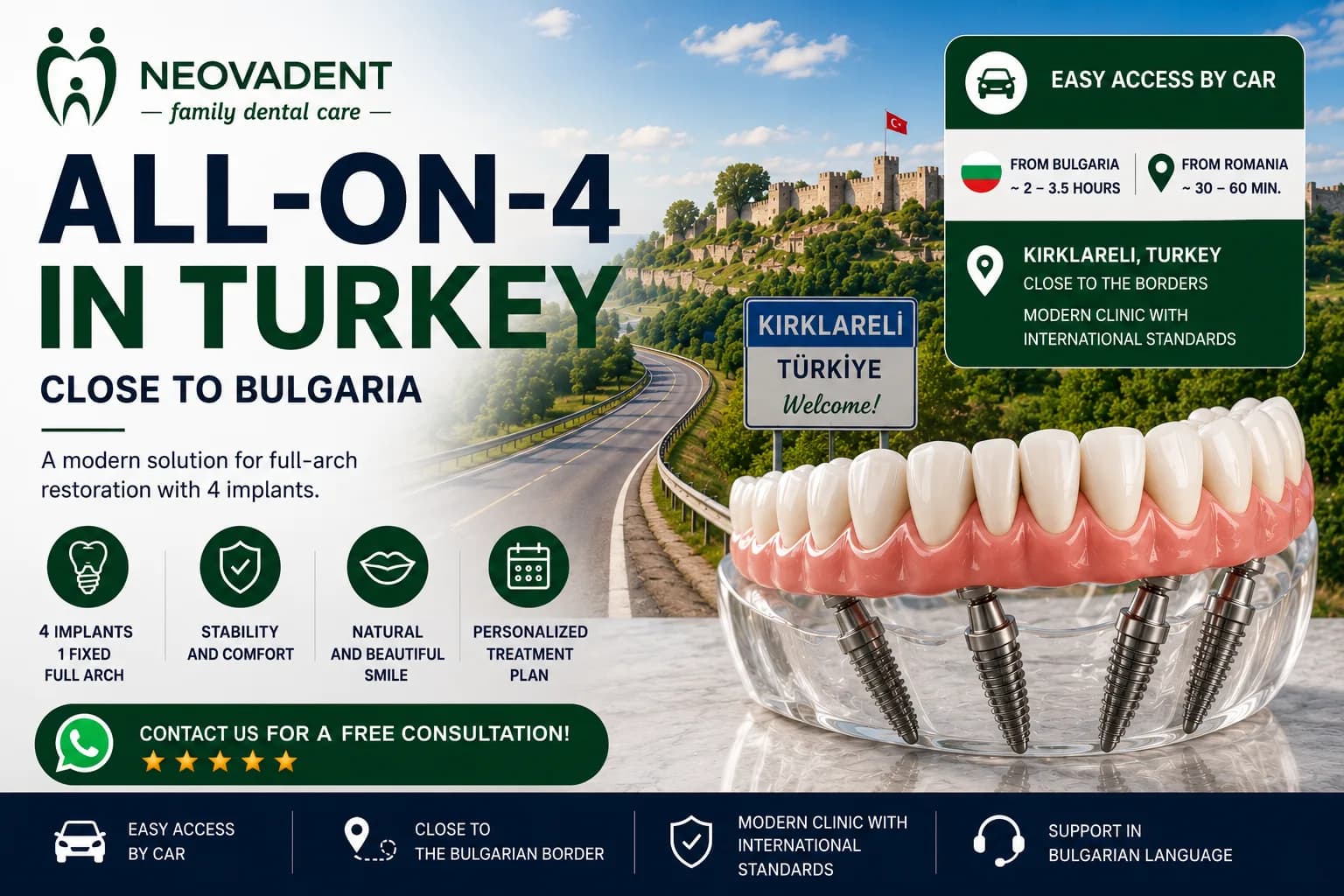
All-on-4 in Turkey | Near Bulgaria & Romania | Neovadent
Discover All-on-4 treatment in Turkey at Neovadent, Kırklareli. Modern digital dentistry, personalized treatment plans, and convenient access from Bulgaria and Romania.

Dental Implants in Turkey Near Bulgaria | Neovadent
Looking for dental implants in Turkey? Neovadent offers modern implant treatments in Kırklareli with convenient access from Bulgaria and Romania.
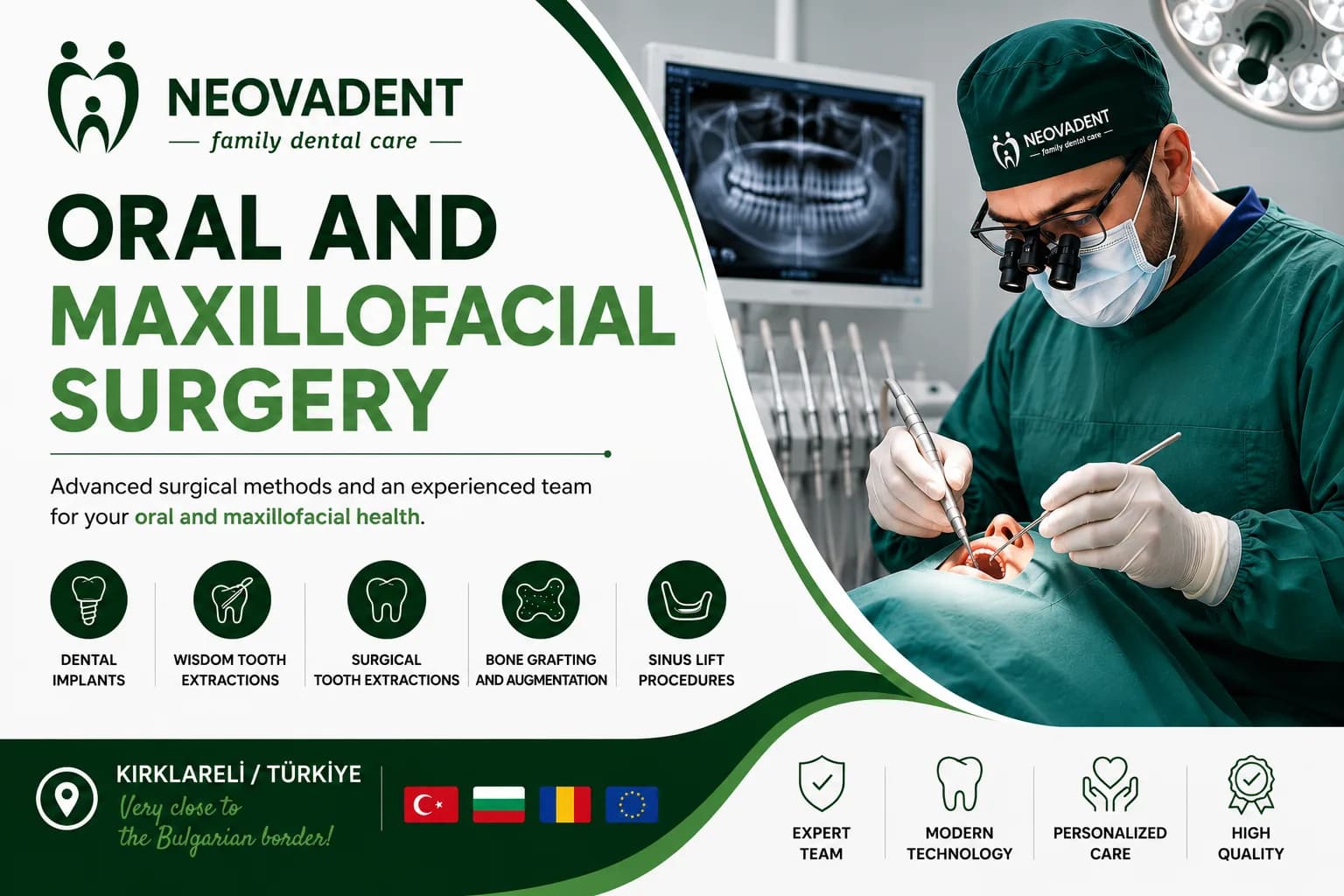
Oral and Maxillofacial Surgery
Oral surgery, dental implants and impacted wisdom tooth removal at Neovadent in Kırklareli, Turkey. Individual treatment planning for every patient.