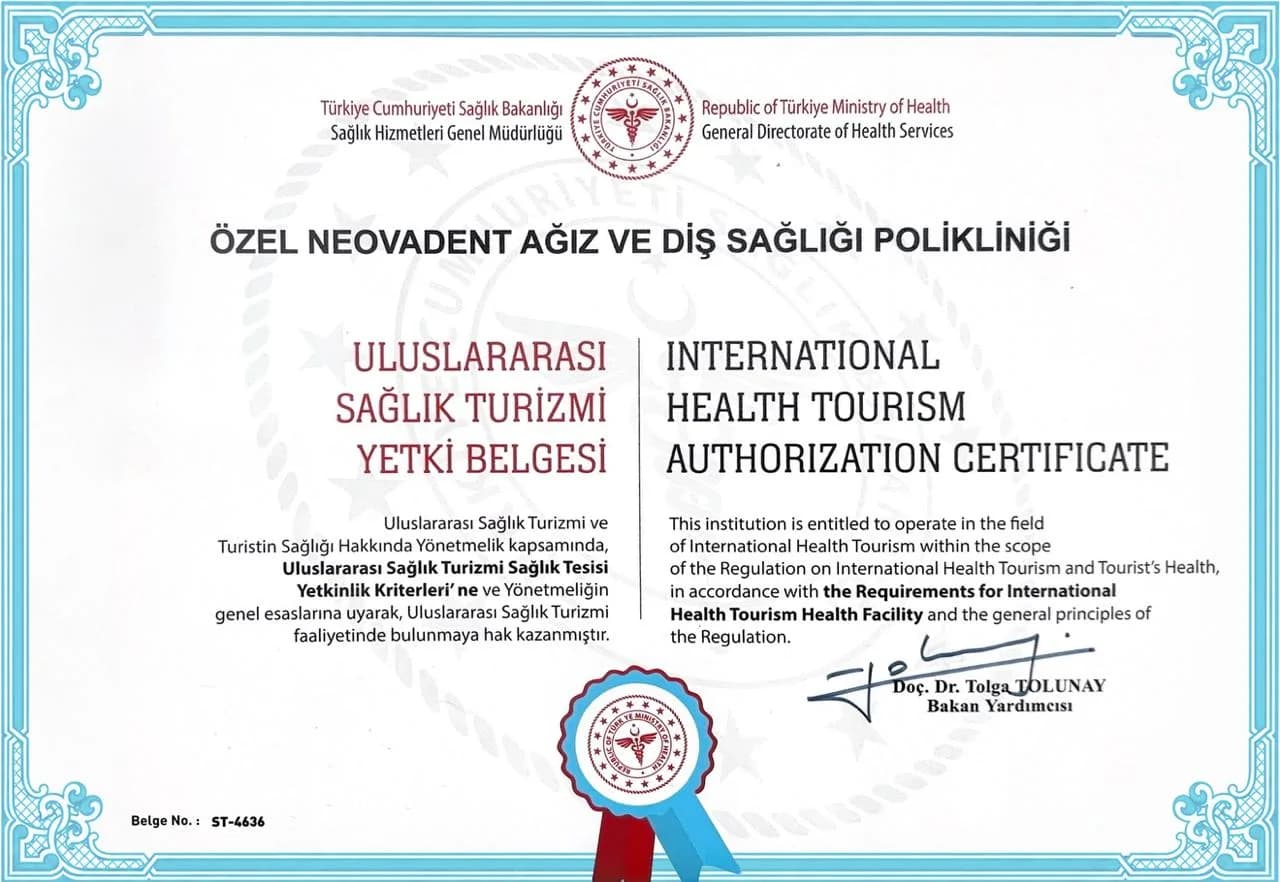
Periodontology & Gum Treatment
Treatment for bleeding gums, gum recession and periodontal disease at Neovadent Dental Clinic in Kirklareli with personalized periodontal care.
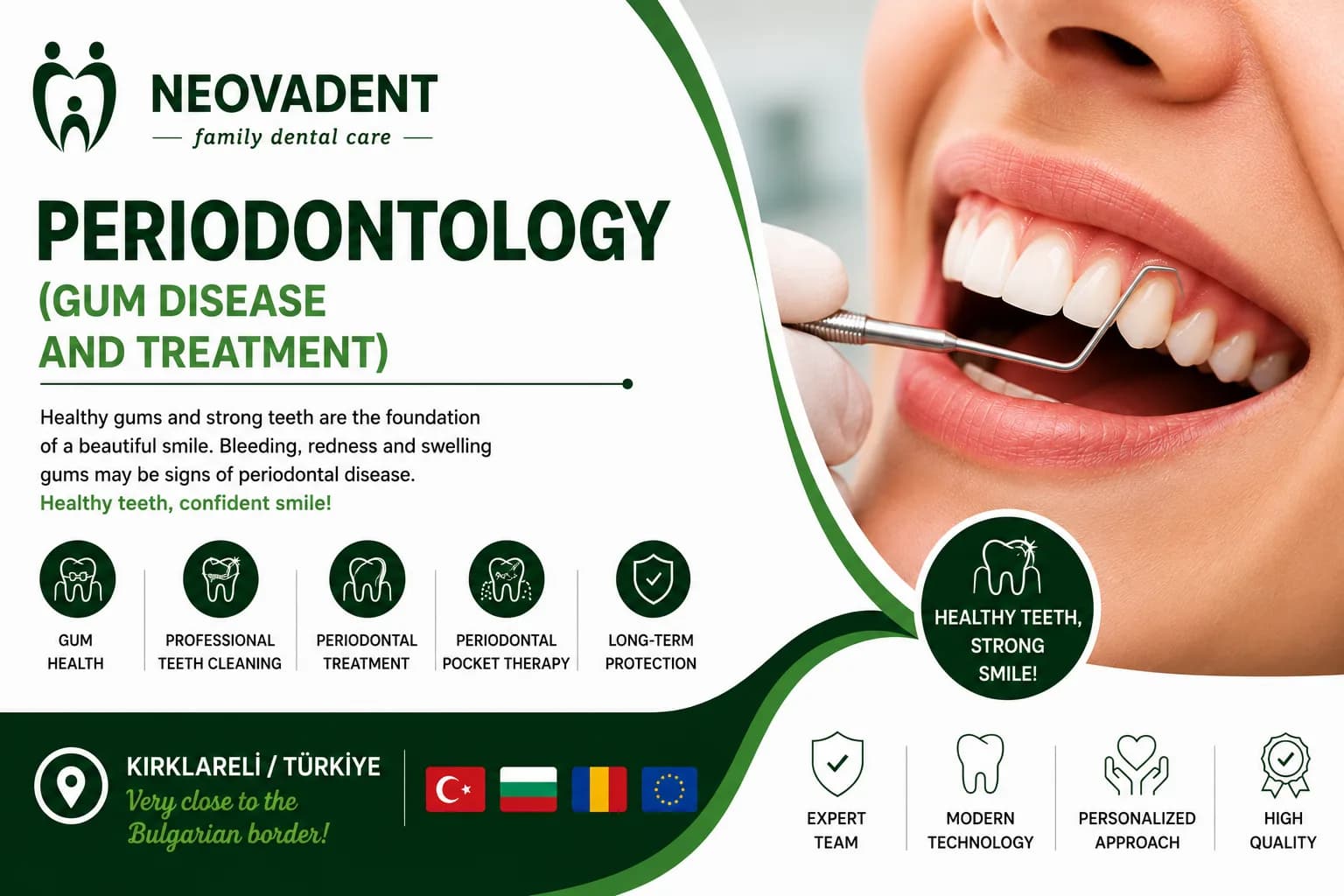
Periodontology (Gum Disease and Treatment)
A healthy smile depends not only on the condition of the teeth but also on the health of the gums and supporting tissues surrounding them. Bleeding, redness or swelling of the gums, persistent bad breath and gum recession may be among the first signs of periodontal disease.
Periodontology is the branch of dentistry concerned with the prevention, diagnosis and treatment of diseases affecting the gums, jawbone and other structures that support the teeth. A condition that initially affects only the gums may progress to deeper supporting tissues and eventually cause loss of bone around the teeth if left untreated.
At Neovadent Dental Clinic, periodontal evaluation includes a detailed examination of the gums, plaque and tartar accumulation, periodontal pockets, gum recession and the tissues supporting the teeth.
Treatment is planned individually according to the type and stage of periodontal disease. Our goal is not only to control the existing condition but also to help maintain periodontal health over the long term through effective oral hygiene and regular follow-up care.
⭐ Highlights
📍 Location: Neovadent Dental Clinic – Kirklareli / Türkiye
🦷 Specialty: Periodontology (Gum Disease and Treatment)
🩸 Common Signs: Bleeding, redness, swelling and sensitivity of the gums
🔎 Evaluation: Detailed assessment of the gums and tooth-supporting tissues
🛡️ Approach: Personalized periodontal treatment and follow-up according to disease severity
🌍 International Patients: Convenient access from Bulgaria and Romania
📋 What Is Periodontology?
Periodontology focuses on the health of the tissues surrounding and supporting the teeth. These structures include the gums, periodontal ligaments around the tooth roots and the jawbone that provides support for the teeth.
Healthy gums are generally firm and should not bleed regularly during proper brushing. When bacterial plaque accumulates around the teeth, an inflammatory reaction can begin in the gum tissues.
The early stage of gum disease is known as gingivitis. Redness, swelling and bleeding, particularly during brushing, may occur at this stage. Gingivitis does not involve loss of the bone supporting the teeth and can often be controlled with appropriate professional care and improved daily oral hygiene.
In some untreated or progressive cases, the disease may extend into deeper tissues and develop into periodontitis. With periodontitis, the natural space between the tooth and gum can deepen, resulting in the formation of periodontal pockets.
As the disease progresses, loss of the bone supporting the teeth may occur. Reduced support can eventually lead to tooth mobility, gum recession and the development of new spaces between the teeth.
For this reason, early detection of periodontal disease is important. Following active treatment, regular periodontal examinations and effective daily oral hygiene play an essential role in maintaining the results.
👨⚕️ When Is a Periodontal Examination Recommended?
Periodontal disease can sometimes progress without causing significant or persistent pain. A periodontal evaluation is therefore recommended when any of the following signs are present:
• Gums that bleed during brushing or spontaneously
• Red or swollen gums
• Gum tenderness
• Gum recession
• Teeth beginning to appear longer
• Persistent or recurring bad breath
• Deepening spaces between the teeth and gums
• A feeling that one or more teeth are becoming loose
• New spaces developing between teeth
• Significant tartar accumulation
• Discharge or pus around the gum line
• A history of previous periodontal treatment
Regular periodontal examinations can help identify disease at an earlier stage and allow appropriate treatment to be planned before further progression occurs.
🦷 Periodontal Treatments
Periodontal treatment is not the same for every patient. The extent of treatment is determined according to the type and stage of the disease, periodontal pocket depths, the amount of tartar present and the condition of the tissues supporting the teeth.
Professional Scaling
Hardened deposits attached to the surfaces of the teeth that cannot be removed through routine brushing are professionally cleaned.
Removing bacterial plaque and tartar is one of the fundamental steps in maintaining healthy gums. Professional cleaning does not replace daily oral care and should be combined with effective brushing and interdental cleaning.
Initial Gum Disease Treatment
For early-stage gum conditions such as gingivitis, professional cleaning and oral hygiene education are important parts of treatment.
Patients receive individualized guidance on appropriate brushing techniques and the use of dental floss or interdental brushes to help control bacterial plaque effectively on a daily basis.
Deep Periodontal Cleaning and Root Planing
When plaque and tartar accumulate below the gum line in patients with periodontitis, deeper periodontal cleaning may be necessary.
The procedure aims to remove deposits from the root surfaces and thoroughly clean the affected areas. The response of the periodontal tissues is evaluated after treatment, and additional treatment options may be considered when necessary.
Periodontal Pocket Treatment
As periodontitis progresses, the space between the tooth and gum may become deeper. Deep periodontal pockets can be difficult to clean through routine home care and may provide an environment where bacteria can accumulate.
The treatment approach is determined according to pocket depth, the extent of the disease and the amount of damage to the supporting tissues.
Gum Recession Treatment
When gum recession occurs, part of the tooth root may become exposed. In addition to aesthetic concerns, this may result in root sensitivity and make cleaning the affected area more difficult.
After evaluating the cause, severity and location of the recession, treatment may involve monitoring, modification of oral hygiene habits or periodontal surgical procedures in appropriate cases.
Periodontal Surgery
In certain advanced cases where non-surgical periodontal treatment is not sufficient, periodontal surgical options may be considered.
The type of procedure is selected individually according to the affected area, pattern of bone loss, periodontal pocket depth and the patient's overall periodontal condition.
Periodontal Maintenance and Regular Follow-Up
Once active periodontal disease has been brought under control, regular maintenance becomes an important part of long-term care.
During follow-up visits, gum health, plaque and tartar accumulation, periodontal pockets and oral hygiene are reassessed. The interval between periodontal maintenance appointments can be determined individually according to the patient's risk profile and periodontal condition.
📅 Treatment Process
Periodontal treatment begins with a detailed assessment of the gums and the tissues supporting the teeth. During the initial examination, signs such as gum bleeding, swelling and recession are evaluated together with plaque and tartar accumulation.
When necessary, the depth of the periodontal pockets between the teeth and gums is measured, and any tooth mobility is assessed. Radiographic imaging may also be used when evaluation of the bone supporting the teeth is required.
Based on these findings, the stage and extent of periodontal disease are determined and an individualized treatment plan is prepared.
The first stage of treatment generally focuses on removing bacterial plaque and tartar deposits. Patients also receive guidance on proper tooth brushing and interdental cleaning to improve daily plaque control.
For patients with periodontitis, deeper cleaning of the root surfaces below the gum line may be necessary. Following initial periodontal treatment, the response and healing of the periodontal tissues are evaluated.
In more advanced periodontal conditions where initial treatment is not sufficient, periodontal surgical options may be considered when clinically appropriate.
Once active treatment has been completed, periodontal maintenance begins. To reduce the risk of disease progression or recurrence, regular examinations and professional maintenance appointments are scheduled according to the patient's individual periodontal condition.
⭐ Why Neovadent?
Successful management of periodontal disease involves more than simply removing existing tartar. The causes of the disease and the condition of the tissues supporting the teeth should be evaluated together.
At Neovadent Dental Clinic, periodontal treatment is planned individually according to the patient's gum health, periodontal pocket depths, oral hygiene and the condition of the supporting tissues.
Preventive care is an important part of our approach. Patients receive guidance on effective daily oral hygiene to help maintain the periodontal health achieved following treatment for as long as possible.
When necessary, the relationship between periodontal health and other dental treatments is also evaluated. Establishing healthy periodontal tissues before implant, prosthetic or orthodontic treatment can be an important part of comprehensive dental treatment planning.
Our clinic is located in Kirklareli, close to the Bulgarian border, providing convenient access for patients travelling from Bulgaria. Kirklareli is also accessible by road for patients travelling from Romania, allowing treatment and follow-up visits to be organized according to the individual treatment plan.
❓ Frequently Asked Questions
Is bleeding from the gums normal?
Healthy gums are not expected to bleed regularly. Repeated bleeding, particularly during brushing, may be one of the signs of gum inflammation. A dental examination is recommended to identify the underlying cause.
What causes gum disease?
Bacterial plaque that accumulates around the teeth plays an important role in the development of gum disease. If plaque is not effectively removed, some of it can mineralize and form tartar. The development and progression of periodontal disease can also be influenced by individual risk factors.
What is the difference between gingivitis and periodontitis?
Gingivitis is an early stage of gum disease in which inflammation is mainly limited to the gums. In periodontitis, the disease affects the deeper tissues supporting the teeth and may result in loss of supporting bone.
Does professional scaling damage the teeth?
Professional scaling performed with appropriate techniques is intended to remove hardened deposits attached to the tooth surfaces. Properly performed scaling does not thin healthy teeth or cause healthy teeth to become loose.
Can gum recession be treated?
Treatment depends on the cause, severity and location of the recession. In some cases, controlling contributing factors and regular monitoring may be sufficient, while periodontal surgical procedures may be considered in suitable cases.
Can periodontitis cause tooth loss?
Advanced periodontitis can lead to loss of the bone and other tissues supporting the teeth. If significant support is lost, teeth may become mobile and the risk of tooth loss can increase. Early diagnosis and regular periodontal follow-up are therefore important.
Can bad breath be caused by gum disease?
Yes. Bacteria accumulating in dental plaque, tartar and periodontal pockets can be one of the causes of persistent bad breath. Because halitosis can have other causes as well, identifying the source of the problem is important.
Can gum disease return after periodontal treatment?
Yes. Periodontal disease can become active again after treatment. Effective daily oral hygiene and regular periodontal maintenance appointments based on individual risk play an important role in long-term disease control.
🔗 Related Services
• Dental Implants
• Oral and Maxillofacial Surgery
• Prosthetic Dentistry
• Orthodontics
• Oral and Maxillofacial Radiology
• Restorative Dentistry
📞 Contact Us
If you experience bleeding or receding gums, persistent bad breath, significant tartar accumulation or tooth mobility, you can contact Neovadent Dental Clinic for a periodontal evaluation.
Following a detailed examination, the condition of your gums and the tissues supporting your teeth can be assessed and an individualized treatment and follow-up plan can be prepared according to your needs.
Other services
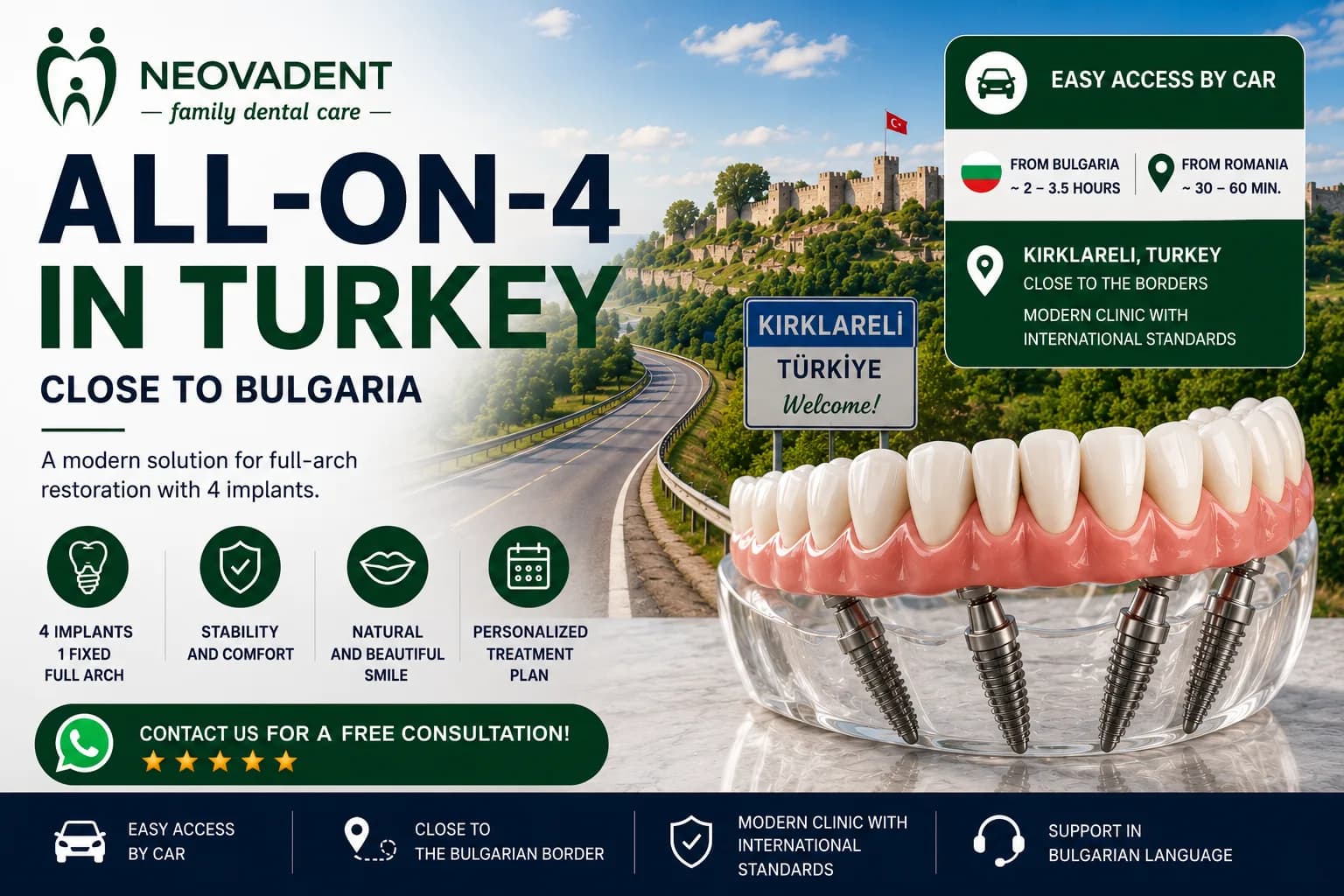
All-on-4 in Turkey | Near Bulgaria & Romania | Neovadent
Discover All-on-4 treatment in Turkey at Neovadent, Kırklareli. Modern digital dentistry, personalized treatment plans, and convenient access from Bulgaria and Romania.

Dental Implants in Turkey Near Bulgaria | Neovadent
Looking for dental implants in Turkey? Neovadent offers modern implant treatments in Kırklareli with convenient access from Bulgaria and Romania.
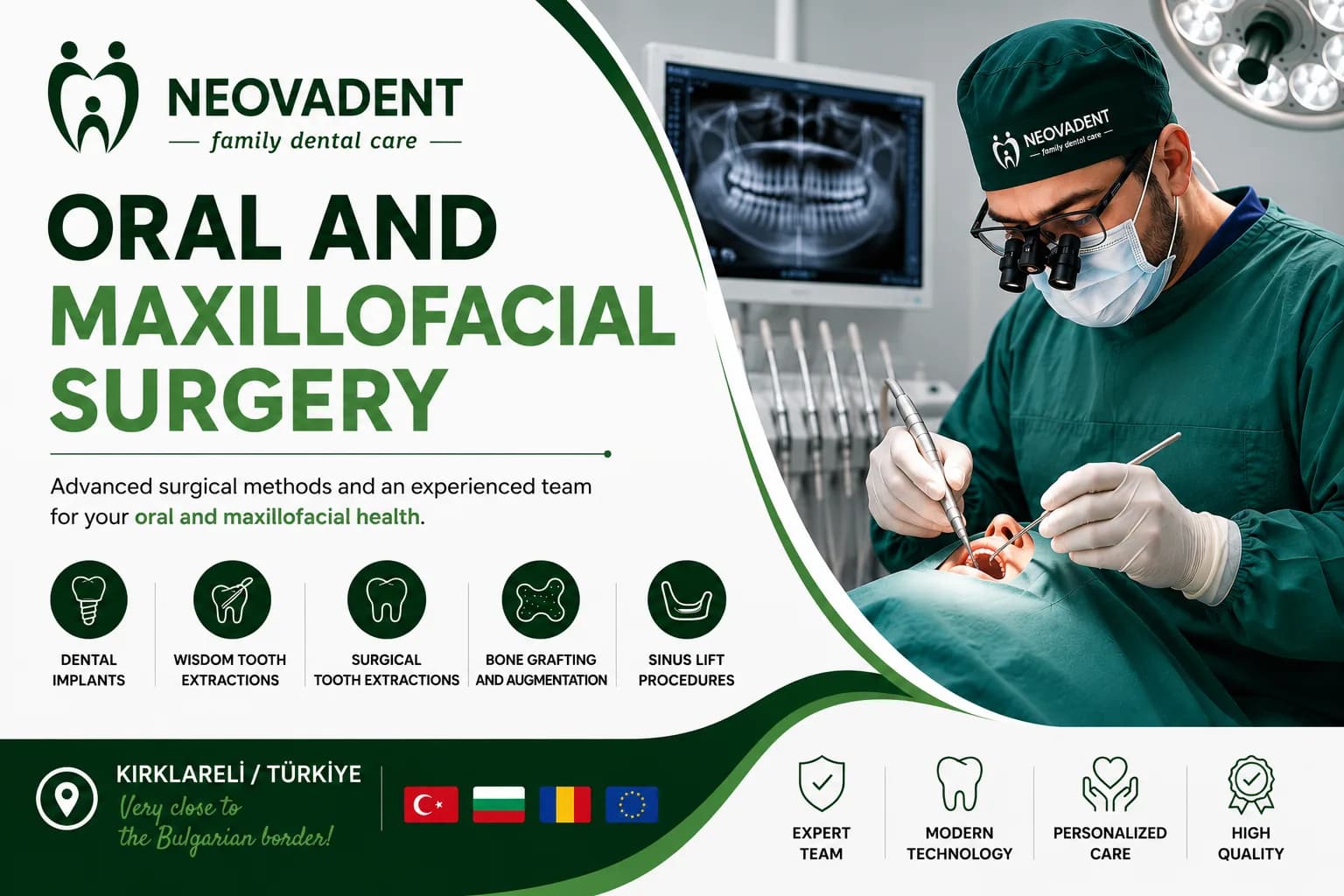
Oral and Maxillofacial Surgery
Oral surgery, dental implants and impacted wisdom tooth removal at Neovadent in Kırklareli, Turkey. Individual treatment planning for every patient.